




If your chapattis turn out hard, dry, or don’t puff, the problem isn’t luck, it’s technique. The difference between average and soft, perfectly puffed chapattis comes down to the right flour, proper dough, and correct cooking method.
This guide walks you through each step so you can consistently make soft chapattis at home. By the end, you’ll also understand what causes hard chapattis, and how to fix it every time.
Choose the Right Flour for Chapatti
The foundation of a good chapatti is the flour. Using the wrong type makes it difficult to achieve softness and puffing.
Chakki Atta (Best Choice)
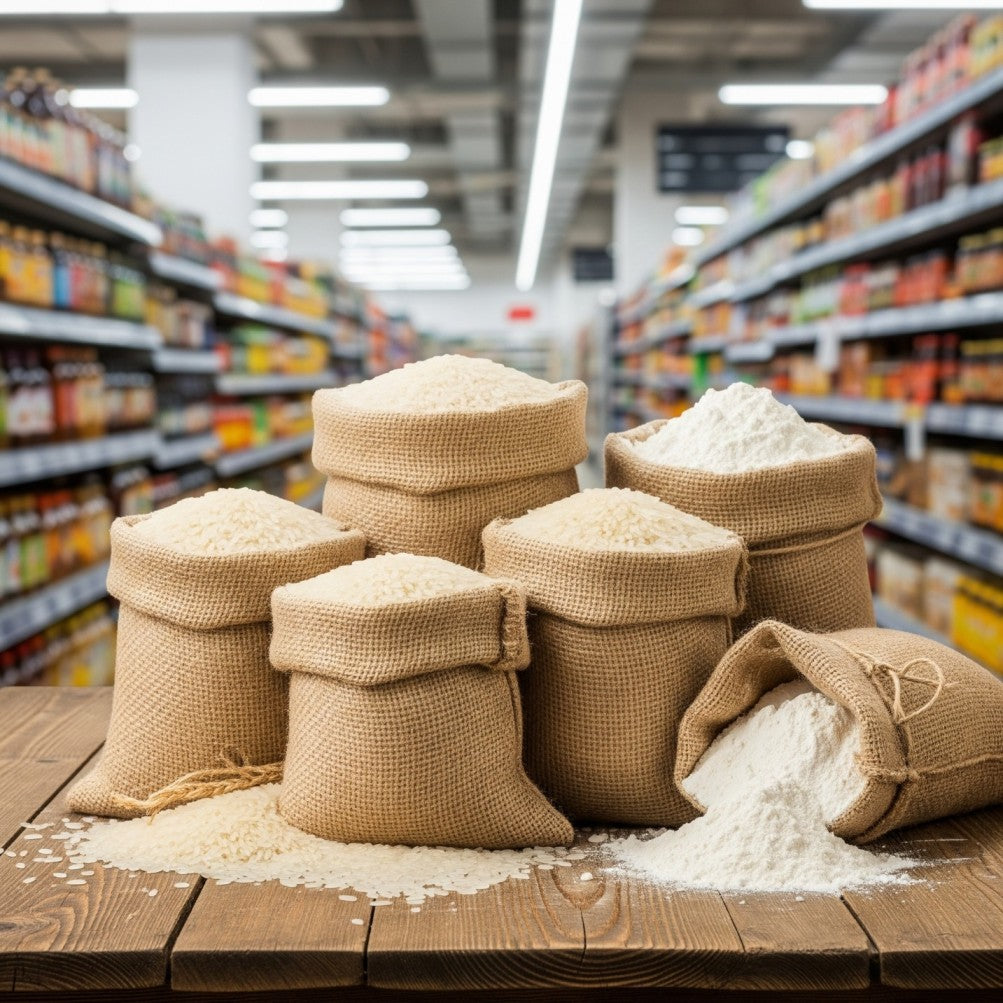
Chakki atta or chakki chapatti flour is whole wheat flour ground using traditional stone methods. It retains more fibre and absorbs water better.
Regular Plain Flour (Not Recommended)
Plain flour lacks the structure needed for chapatti.
- Lower fibre content.
- Does not absorb water the same way.
- Results in less authentic texture.
For consistent results, whole wheat atta is always the better option. Explore chakki atta and everyday flour options at First Choice Store, which offers reliable products for consistent chapatti results.
The Perfect Chapatti Dough (Recipe + Technique)
Getting the dough right is where most people go wrong. Chapatti dough should be soft, smooth, and slightly elastic.
Basic Dough Ingredients
- 2 cups whole wheat atta.
- Water (use around ¾ cup water for every 2 cups of atta).
- Optional: pinch of salt.
Step 1: Kneading Technique
Start by gradually adding water to the flour while mixing. Avoid pouring all the water at once.
Once combined, knead the dough thoroughly until it becomes smooth.
Key points to focus on:
- Dough should be soft, not stiff.
- Knead for at least 8–10 minutes.
- Press and stretch the dough while kneading.
- Add a few drops of water if it feels dry.
A well-kneaded dough directly affects softness. A properly kneaded dough should feel soft and slightly springy when pressed. If it cracks, it’s too dry. If it sticks excessively, it may need a light dusting of flour.
Step 2: Rest the Dough
Resting is not optional, it is essential.
After kneading, cover the dough and let it rest for at least 20–30 minutes. This allows the gluten to relax, making rolling easier and improving texture.
Without resting:
- Dough feels tight
- Chapattis become hard
- Puffing becomes difficult
Resting ensures flexibility and softness. For extra softness, apply a few drops of oil or ghee to the dough surface before resting. This helps retain moisture and improves the final texture.
Step 3: Use Rolling Technique for Round, Even Chapattis
Once the dough has rested, divide it into equal portions and roll them into balls.
Flatten each ball slightly and dust with flour before rolling.
To achieve even chapattis:
- Use gentle, even pressure.
- Rotate the dough while rolling.
- Avoid pressing too hard in one direction.
- Aim for medium thickness (not too thin or thick).
Consistency in thickness helps even cooking and proper puffing. Even thickness is essential for puffing, uneven edges prevent steam from forming properly inside the chapatti.
Step 4: Cooking on a Tawa: Heat and Timing
Cooking temperature plays a major role in texture.
Preheat your tawa (flat pan) on medium-high heat before placing the chapatti.
Steps to follow:
- Place rolled chapatti on hot tawa.
- Wait until small bubbles appear.
- Flip once the underside has light brown spots.
- Press gently with a cloth or spatula.
Important tips:
- Too low heat = dry chapatti.
- Too high heat = burnt outside, raw inside.
To check if the tawa is ready, sprinkle a few drops of water, if they sizzle and evaporate quickly, the temperature is right.
Step 5: How to Puff Your Chapatti on the Flame
Puffing happens when steam builds inside the chapatti, separating layers.
After the second side cooks slightly, transfer the chapatti directly onto a flame.
- It should inflate like a balloon.
- Flip briefly to cook evenly.
- Remove quickly to avoid burning.
If it doesn’t puff, common reasons include:
- Dough too tight.
- Uneven rolling.
- Low heat.
Puffing is a sign that your technique is correct. If you’re not using an open flame, you can press the chapatti gently on the tawa with a cloth or spatula to encourage it to puff.
Get the Right Flour for Perfect Chapattis
The easiest way to improve your chapattis is to start with high-quality atta.
Chakki Atta (Best for Soft Chapattis)
If you want consistently soft and puffed chapattis, chakki atta is the best choice.
- Better water absorption.
- Softer dough.
- Authentic texture.
Whole Wheat Atta (Everyday Option)
A reliable option for regular cooking with good results.
- Balanced texture.
- Easy to work with.
- Suitable for daily meals.
Using high-quality flour makes a noticeable difference, and sourcing it from First Choice Store helps ensure consistent results every time.
How to Store Chapattis (Keep Them Soft Longer)
Even perfectly cooked chapattis can become hard if stored incorrectly.
To keep them soft:
- Wrap in a clean cloth immediately after cooking.
- Store in an insulated container.
- Avoid leaving them exposed to air.
- Lightly brush with ghee if desired.
Proper storage helps retain moisture and softness.
Common Chapatti Problems (and How to Fix Them)
Chapatti turns hard
Usually caused by stiff dough or skipping resting time.
Chapatti doesn’t puff
Often due to uneven rolling or low cooking heat.
Chapatti feels dry
Overcooking or leaving it exposed to air can remove moisture.
Chapatti becomes sticky
Too much water in the dough or insufficient kneading.
Take Away
Making soft, puffed chapattis comes down to getting the basics right. Ensure to use quality atta, prepare a soft dough, allow enough resting time, and cook on the right heat. Once you understand how each step affects the result, consistency becomes easy, and perfectly soft chapattis become part of your everyday cooking.
Frequently Asked Questions
1. What flour is best for chapatti?
Chakki atta (whole wheat flour) is the best option for soft and authentic chapattis. It is available on the First Choice Store (UK’s Popular Grocery Store) that delivers across the UK.
2. Why are my chapattis hard?
Common reasons include stiff dough, lack of resting time, or incorrect cooking temperature.
3. How do I get my chapattis to puff up?
Use soft dough, roll evenly, and cook on proper heat before finishing on an open flame.
4. Can I make chapatti dough the night before?
Yes, but store it in the fridge and bring it to room temperature before use.
5. What is the difference between chakki atta and regular flour?
Chakki atta is whole wheat and retains more fibre, while regular flour is refined and produces a different texture.
Prev post

Beginner’s Guide to Turkish Grocery Products
Updated on 29 June 2026
Next post

How to Store Fresh Meat at Home: The Complete Guide
Updated on 22 June 2026

