
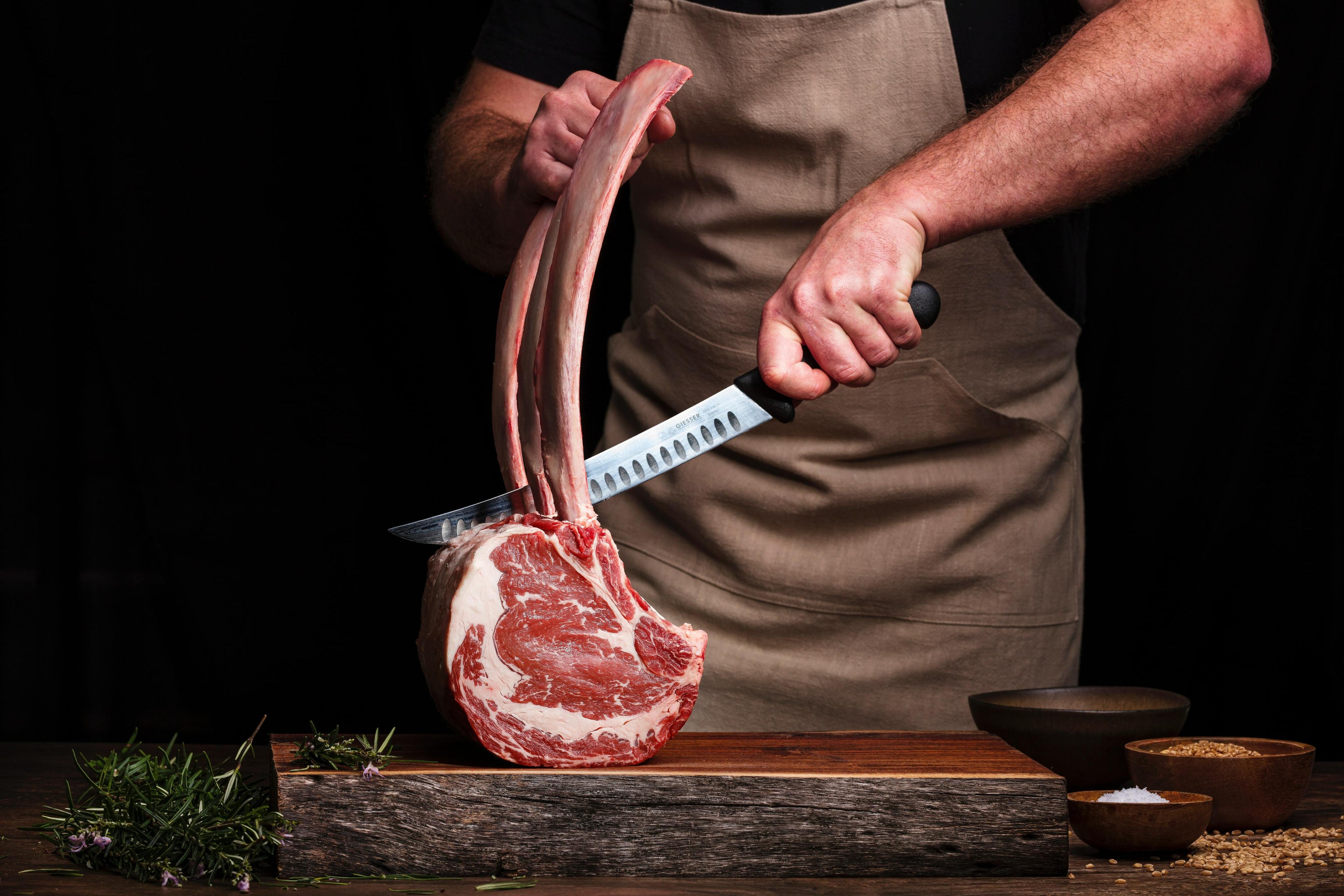



If you’ve ever stood at a meat counter unsure whether to choose lamb, goat, or sheep, you’re not alone. The names are often used interchangeably, but they refer to different animals and different stages of age, which directly affects taste, texture, and how you should cook them.
This guide breaks it down clearly so you can choose the right meat for your dish, and cook it properly.
What’s the Difference Between Lamb, Goat, and Sheep Meat
The key difference starts with age and animal type, not just naming.
Lamb
Lamb comes from a young sheep, typically under 12 months old. Because of its age, the meat is naturally tender and mild in flavour.
- Soft texture.
- Mild, slightly sweet flavour.
- Quick to medium cooking time.
Sheep
Sheep meat comes from an older sheep, usually over 2 years old.
- Firmer texture.
- Stronger, deeper flavour.
- Requires longer cooking.
This is the meat most commonly used in traditional South Asian cooking.
Goat Meat
Goat meat comes from a completely different animal. It is widely consumed across South Asia, the Middle East, and Africa.
- Leaner than lamb.
- Slightly firmer texture.
- Distinct, slightly earthy flavour.
It sits somewhere between lamb and sheep meat in terms of tenderness, but is generally leaner than both.
Taste and Texture Differences
Once you understand the basics, the real difference becomes clear when cooking and eating.
Lamb (Mild and Tender)
Lamb is the easiest to cook and most widely used in UK households.
- Tender even with shorter cooking.
- Mild flavour that absorbs spices easily.
- Ideal for beginners.
It works well in dishes where you don’t want the meat flavour to overpower the spices. If you need fresh halal lamb meat delivered to your doorsteps in the UK, order today from the First Choice Store.
Goat Meat (Lean and Slightly Firm)
Goat meat has a more distinct taste and is leaner than lamb.
- Less fat, so lighter in dishes.
- Needs proper cooking to avoid toughness.
- Absorbs spices deeply.
It is often preferred in dishes where a cleaner, less fatty taste is desired.
Sheep / Mutton (Rich and Strong)
Mutton is known for its bold flavour and is widely used in traditional recipes.
- Strong, deep meat flavour.
- Firmer texture due to age.
- Becomes very tender when slow cooked.
It requires more time and patience but delivers the most intense flavour.
Which Meat is Best for Different Dishes?
Choosing the right meat depends heavily on the dish you’re making.
Biryani
Biryani requires meat that holds shape but becomes tender over time.
Best choice: Sheep or goat.
Why: Strong flavour stands up to spices and rice.
Lamb can be used, but it produces a milder taste.
Karahi
Karahi is a fast-cooked, high-heat dish.
Best choice: Lamb
Why: Cooks quickly and stays tender
Goat can also be used but may require slightly longer cooking.
Slow-Cooked Curries
For dishes that cook over a longer period, tougher cuts perform better.
Best choice: Sheep (mutton)
Alternative: Goat meat
These cuts break down over time and create a rich, thick gravy.
How To Pick the Right Meat for Your Kitchen
Now that you understand the differences, the choice becomes simpler depending on your cooking style and preference.
Lamb (Best for Convenience and Everyday Cooking)
Lamb is ideal if you want reliable results without long cooking times.
- Cooks faster than mutton or goat.
- Softer texture.
- Mild flavour suitable for most recipes.
Sheep (Best for Traditional Flavour)
If you are looking for authentic, deep flavour, especially for South Asian dishes, sheep meat is the preferred choice.
- Rich and intense flavour.
- Perfect for slow cooking.
- Traditional choice for biryani and curries.
Goat Meat (Best for Leaner Cooking)
Goat meat is a great option if you prefer lean meat with a distinct taste.
- Lower fat content.
- Slightly firmer texture.
- Works well in both curries and dry dishes.
Why Sheep Meat Still Holds Value
Many customers overlook sheep because it requires longer cooking, but it remains one of the most valued meats in traditional cuisine.
- Delivers the deepest flavour in curries.
- Ideal for slow cooking methods.
- Widely used in authentic South Asian recipes.
The key is understanding that sheep meat is not “tough meat,” it simply needs the right cooking approach.
How to Cook Sheep Meat Properly
It requires more time compared to lamb or goat, but the results are worth it.
- Slow cook on low heat for best tenderness.
- Use pressure cooking to reduce time.
- Allow enough liquid for gradual softening.
Typical cooking times:
- Stovetop: 2 to 3 hours.
- Pressure cooker: 45 to 60 minutes.
Rushing the process will result in tough meat, which is why many people prefer lamb without understanding the difference. For any lamb, sheep, or goat meat in your preferred cut delivered to your doorsteps in the UK, always opt for the First Choice Store, which is the most trusted Grocery and Halal Meat store.
Take Away
The difference between lamb, goat, and sheep meat comes down to age, fat content, and cooking style.
- Lamb is tender, mild, and easy to cook.
- Goat is lean, slightly firm, and flavourful.
- Sheep is rich, strong, and best for slow cooking.
If you choose the right meat for the right dish, you will get better texture, better flavour, and a more authentic result every time.
Frequently Asked Questions
Is Sheep Meat Just an Old Lamb?
Not exactly. Lamb comes from younger sheep. The age difference changes flavour and texture significantly.
Which is Healthier, Lamb or Goat Meat?
Goat meat is generally leaner and lower in fat, while lamb contains more fat and is richer in flavour.
Why is Sheep Meat Popular in South Asian Cooking?
Because of its strong flavour and ability to hold up during long cooking, making it ideal for dishes like biryani and slow-cooked curries.
Is Sheep the Same as Goat?
No. Sheep and goats are completely different animals. Their meat have different tastes, fat content, and cooking behaviour.
Can I Substitute Lamb for Sheep Meat in a recipe?
Yes, but the result will be milder and less rich. You may also need to reduce cooking time.
Prev post

Chicken Thigh vs Chicken Breast: Which Should You Buy?
Updated on 02 June 2026
Next post

The Best Cut of Lamb for Curry: A Butcher’s Guide
Updated on 21 May 2026

