



There is something unmistakably special about a freshly cooked chicken karahi. The sound of sizzling tomatoes, the aroma of ginger and green chillies, and the rich, glossy masala clinging to perfectly cooked chicken. This is not just another curry. This is one of the true icons of Pakistani cooking.
What makes chicken karahi so popular is its simplicity. It does not rely on heavy gravies or complicated spice blends. Instead, it focuses on fresh ingredients, high heat, and precise cooking. When done right, every bite delivers bold flavour, depth, and that unmistakable restaurant style finish.
If you have ever wondered why karahi tastes better at a dhaba or restaurant, this guide will show you exactly how to recreate that same experience at home.
What Makes Karahi Different from Other Curries
Most traditional curries are slow cooked with layers of spices and water based gravies. Chicken karahi takes a completely different approach.
It is cooked quickly on high heat, which allows the ingredients to retain their natural character. The tomatoes are not just a base, they are the backbone of the dish. They break down and reduce into a thick masala that coats the chicken instead of forming a watery gravy.
Another defining element is the finishing stage. Fresh ginger, green chillies, and coriander are added right at the end, which gives karahi its signature aroma and freshness.
The cooking vessel also plays a role. A karahi pan allows rapid evaporation and even heat distribution, helping intensify flavours. Even if you use a regular pan, the technique remains the key.
Ingredients You Will Need for Authentic Flavour
The quality of ingredients directly affects the final result. This is not a dish where you can hide behind spices.
The quality of ingredients directly affects the final result. This is not a dish where you can hide behind spices. Every element plays a role in building that rich, bold, and authentic karahi flavour.
Fresh Halal Chicken
Start with fresh, high quality chicken. Bone in pieces are always the best choice because they release natural juices that enhance the flavour of the masala and give the dish more depth.
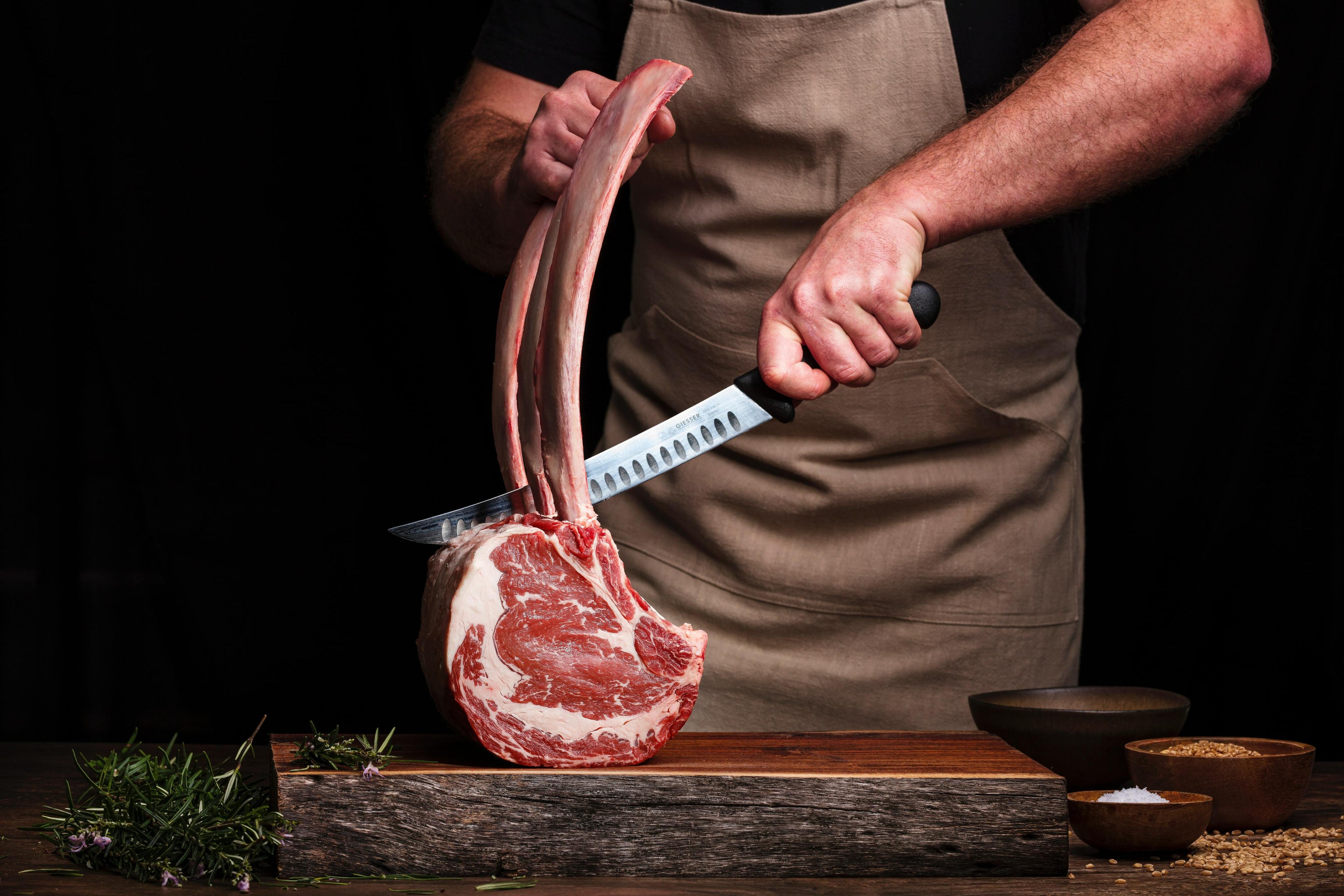
There are plenty of fresh halal chicken options available at First Choice Store, making it easy to get the right cut for your karahi.
Cooking Oil or Desi Ghee
You will need a good cooking fat to start the dish. Desi ghee delivers a richer, more traditional flavour and aroma, while cooking oil offers a lighter alternative without compromising too much on taste.
Your choice here depends on how indulgent you want the final dish to be.
Fresh Tomatoes
Fresh tomatoes are essential for authentic chicken karahi. Avoid canned or processed options, as they can affect both taste and texture.
The natural acidity and slight sweetness of fresh tomatoes help create a perfectly balanced, thick masala that defines the dish.
Aromatics: Garlic, Ginger, and Green Chillies
Garlic paste forms the base of the flavour and gives the masala its depth.
Julienned ginger adds a sharp, fresh note that lifts the overall taste, especially when added towards the end.
Green chillies bring heat and aroma without overpowering the dish, making them a key finishing ingredient.
Essential Spices
Karahi is all about simplicity, so the spice mix is minimal but precise.
You will need salt, red chilli powder for heat, turmeric for colour, crushed coriander seeds for a slightly citrusy depth, and garam masala for a warm finishing aroma.
Make sure to explore high quality spice blends to get the best results from your cooking.
Fresh Coriander for Garnish
Fresh coriander is added at the end to bring brightness and freshness to the dish.
It not only enhances presentation but also balances the richness of the masala with a clean, herbal finish.
Step by Step Method That Guarantees Authentic Results
Step 1: Sear the Chicken Properly
Heat oil or desi ghee in a karahi or heavy bottomed pan over medium high heat. Once hot, add the chicken pieces in a single layer.
Cook for 6 to 8 minutes, stirring occasionally. The goal here is not to fully cook the chicken but to seal it. The pieces should change colour, release their natural juices, and begin to lightly brown.
This step creates the base flavour of your chicken karahi, so give it time. Rushing here will affect the final depth of the dish.
Step 2: Build the Tomato Base
Add garlic paste and sauté for about 30 to 40 seconds until fragrant but not burnt.
Immediately add finely chopped fresh tomatoes and mix well with the chicken. Cook on medium heat for 10 to 12 minutes, stirring occasionally to prevent sticking.
As the tomatoes cook, they will soften, break down, and blend into the chicken. Keep cooking until you see the oil separating from the mixture. This is a clear sign that the tomatoes are fully cooked and the base is ready.
This stage defines the texture of your karahi, so do not move forward until it is done right.
Step 3: Bhunna the Masala
Now add salt, red chilli powder, turmeric, and crushed coriander seeds.
Mix thoroughly and begin the bhunna process. Stir continuously on medium to high heat, allowing the masala to cook, thicken, and intensify.
You will notice the mixture becoming richer in colour and the oil separating more clearly. This is where the flavour develops fully, so stay attentive and keep stirring.
A well bhunna masala is what gives chicken karahi its signature richness and depth.
Step 4: High Heat Reduction for Authentic Texture
Increase the heat to high and cook for another 5 to 7 minutes.
Keep stirring so the masala does not stick or burn. This step reduces excess moisture and thickens the masala until it coats each piece of chicken beautifully.
Do not add water at any point. Authentic chicken karahi depends entirely on the natural moisture released from the chicken and tomatoes.
By the end of this step, you should have a thick, glossy masala that clings to the chicken rather than pooling in the pan.
Step 5: Final Finishing and Aroma Boost
Add green chillies, julienned ginger, and a sprinkle of garam masala.
Cook for 2 to 3 minutes on medium heat to allow the flavours to infuse without losing their freshness.
Turn off the heat and finish with a generous garnish of fresh coriander.
This final stage is what elevates your chicken karahi from good to restaurant quality. The fresh ginger and chillies release a sharp, aromatic kick that defines the dish.
Serve immediately while hot for the best flavour and texture.
Cooking Timeline for Perfect Results
- Chicken cooking takes around 6 to 8 minutes.
- Tomato breakdown takes around 10 to 12 minutes.
- Masala cooking takes around 8 to 10 minutes.
-
Final reduction takes around 5 to 7 minutes.
The total cooking time is approximately 30 to 40 minutes.
Secrets Behind Restaurant Style Karahi
The difference between an average karahi and a restaurant quality one comes down to technique.
- Always use bone in chicken for deeper flavour.
- Allow tomatoes to fully break down before adding spices.
- Cook on high heat towards the end to intensify flavour.
- Use fresh ginger and green chillies only at the finishing stage.
- Do not overload the dish with spices. Simplicity is what defines karahi.
Common Mistakes That Ruin Karahi
Even simple dishes like chicken karahi can go wrong if key steps are missed. Avoid these common mistakes to ensure your karahi turns out rich, thick, and full of flavour.
Adding Water to the Masala
One of the biggest mistakes is adding water during cooking. This turns karahi into a regular curry with a runny gravy. Authentic karahi relies entirely on the natural moisture from chicken and tomatoes to create a thick, concentrated masala.
Using Tomato Puree Instead of Fresh Tomatoes
Tomato puree may seem convenient, but it changes both the taste and texture of the dish. Fresh tomatoes break down naturally and create the perfect balance of tanginess and thickness, which puree cannot replicate.
Overcooking the Chicken
Cooking the chicken for too long makes it dry and tough. Karahi is meant to be cooked quickly on high heat, so the chicken remains juicy while absorbing the masala.
Skipping the High Heat Stage
The final high heat reduction is what gives karahi its signature look and taste. Skipping this step leaves the masala thin and underdeveloped. Proper reduction ensures the masala clings to the chicken and intensifies the flavour.
Variations You Can Try
Once you master the classic chicken karahi, you can explore different variations that bring their own unique taste and texture.
Lamb Karahi
Lamb karahi offers a deeper, richer flavour compared to chicken. Since lamb takes longer to cook, it should be cooked on low heat until tender before applying the same karahi technique for the final stages. Also, it is better to know the difference between lamp vs sheep vs goat meats before trying them in karahi.
Beef Karahi
Beef requires even more cooking time, so it is best to pre-cook it or use a pressure cooker. Once tender, it can be finished in a karahi with the same masala method to achieve that authentic texture.
White Karahi
White karahi is a milder, creamier version of the dish. It replaces tomatoes with yogurt and cream, creating a smooth and rich gravy with a completely different flavour profile.
Peshawari Karahi
This variation is known for its simplicity and bold taste. It uses fewer tomatoes and focuses more on meat, salt, and green chillies. The result is a more rustic, meat forward dish with a strong, authentic flavour.
What to Serve with Chicken Karahi
Chicken karahi is all about bold, rich flavours, so the right sides help balance the dish and complete the experience.
Fresh Naan or Homemade Chapatti
The best way to enjoy chicken karahi is with warm, freshly made naan or soft chapatti. The bread helps scoop up the thick masala and makes every bite more satisfying.
If you want to make it from scratch, follow this simple guide on how to make soft and perfect chapatti at home as homemade chapatti not only tastes better but also gives you that authentic desi meal experience.
Cooling Raita
A side of raita adds a refreshing contrast to the rich and slightly spicy karahi. The cool yogurt helps balance the heat while enhancing the overall flavour of the meal.
You can keep it simple with plain yogurt or add cucumber, mint, and a pinch of salt for extra freshness.
Fresh Salad for Crunch
A light salad made with onions, cucumbers, and tomatoes adds a crisp texture that complements the softness of the chicken and masala.
This simple addition brings balance and keeps the meal from feeling too heavy.
Lemon Wedges for a Final Touch
A squeeze of fresh lemon just before eating can elevate the entire dish. It cuts through the richness and adds a bright, tangy finish that enhances every bite.
Pairing your chicken karahi with the right sides turns it from a simple dish into a complete, satisfying meal that feels just like a traditional Pakistani dining experience.
Final Thoughts
Chicken karahi is a celebration of simple ingredients, bold flavours, and authentic Pakistani cooking. With fresh chicken, quality spices, and the right technique, you can enjoy a restaurant-style karahi from the comfort of your home.
Serve it hot with chapatti, naan, or your favourite sides for a truly satisfying meal.
FAQs
1. What makes karahi different from curry
Karahi is thicker, cooked quickly, and focuses on fresh ingredients rather than layered spices and gravy.
2. Can I make it without a karahi pan
Yes, a heavy bottomed pan or wok works perfectly.
3. Which chicken cut is best
Bone in chicken pieces provide the best flavour and texture.
4. How can I reduce oil
Use slightly less oil and allow tomatoes to fully cook for natural thickness.
5. Can I use boneless chicken
Yes, but it cooks faster and does not provide the same depth of flavour.
Prev post

Best Powdered Milk in the UK: What Actually Matters and What to Buy
Updated on 27 July 2026
Next post

What Grass-Fed Really Means And Why It Matters
Updated on 20 July 2026

